// Selling Tips
How to Sell a Gas Station in Washington State: A Broker's Guide
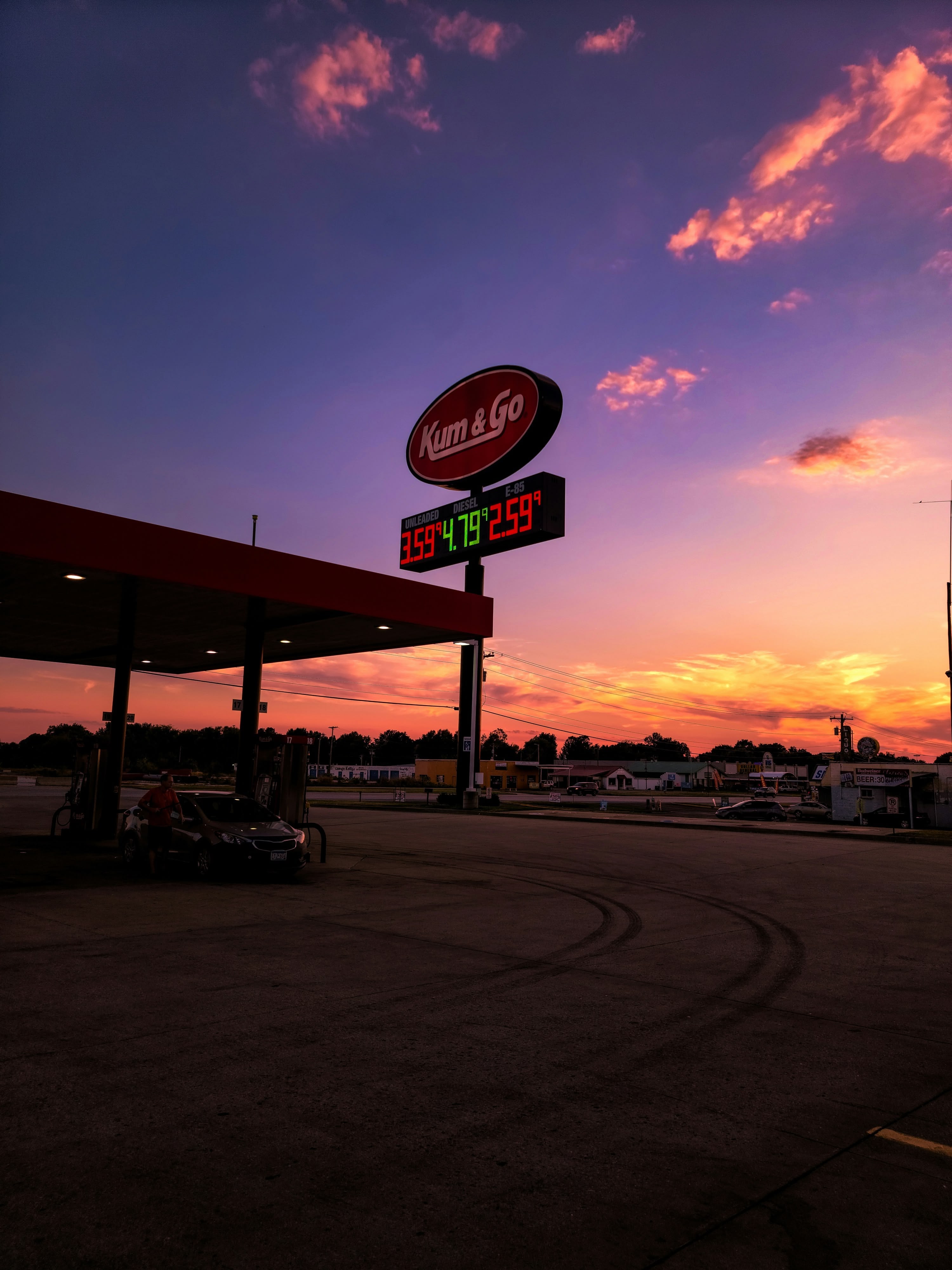
Selling a gas station is not like selling a house, and it's not even like selling most businesses. You're selling fuel volume, inside sales, real estate, and sometimes a brand agreement — all at once, often to a specialized pool of buyers. As one of the more active gas station brokers in Washington, here's how I walk owners through it.
How gas stations are actually valued
A station's value comes from several layers that buyers underwrite separately:
- Fuel volume. Monthly gallons and the margin per gallon are the foundation. Buyers want to see consistent, verifiable volume.
- Inside sales. The convenience store — its sales, margins, and category mix (tobacco, beer/wine, food, lottery) — often drives more profit than the fuel itself.
- Real estate. Whether you own the land and building or lease changes the deal entirely. Owned real estate is frequently the largest single component of value.
- Brand and contracts. Branded supply agreements, franchise terms, and any car wash, lottery, or QSR (quick-service restaurant) tenancy all factor in.
A clean valuation separates the business value from the real estate value, because many buyers and lenders treat them differently.
Preparing to sell
The owners who get the strongest offers are the ones who prepare:
- Get your financials clean. Three years of tax returns, fuel and inside-sales reports, and a clear P&L. Buyers and SBA lenders scrutinize these closely.
- Understand your environmental position. Underground storage tanks (USTs) and any compliance history matter to buyers and lenders. Knowing your status up front prevents surprises in diligence.
- Organize your contracts. Supply agreements, leases, and equipment ownership should be documented and ready.
- Decide what you're selling. Business only? Business plus real estate? That decision shapes pricing, the buyer pool, and the structure.
Finding the right buyer — confidentially
The buyer pool for stations is specialized: independent operators, multi-site owners, and investors, many of whom rely on SBA financing. Reaching them without tipping off your employees, customers, or competitors takes a confidential, targeted process rather than a public yard sign. That's exactly the kind of discreet, qualified-buyer marketing I run for specialty and commercial properties.
Financing and structure
Many station sales are SBA-financed, which affects timeline, documentation, and how the deal is structured. Knowing the financing path your likely buyers will use — and packaging the deal accordingly — is often the difference between an offer that closes and one that stalls in underwriting.
Why work with a specialist
A residential agent can list a house. Selling a gas station well takes someone who understands fuel economics, inside-sales margins, environmental diligence, and the specialized buyer pool. If you want to see how that specialization compares to a general brokerage, here's an honest comparison, and you can always reach me directly for a confidential conversation about what your station is worth.