Bollywood 360
Sold to a regional specialty food group that could do more with the location than the market could.
4549 University Way NE, Seattle, WA 98105
The short version
An independent Indian restaurant on “The Ave” in Seattle’s University District was positioned and sold to Mayuri, one of the Puget Sound region’s most established South Asian grocery and restaurant operators. The sale closed in August 2026.
It wasn’t a matter of listing the space and waiting. The business itself was struggling and the owners were ready to close it. What made the sale possible was recognizing that the value sat in the location and the lease rather than the earnings — and taking that to the one operator for whom it solved a specific problem. From engagement to closing took three weeks.
The situation
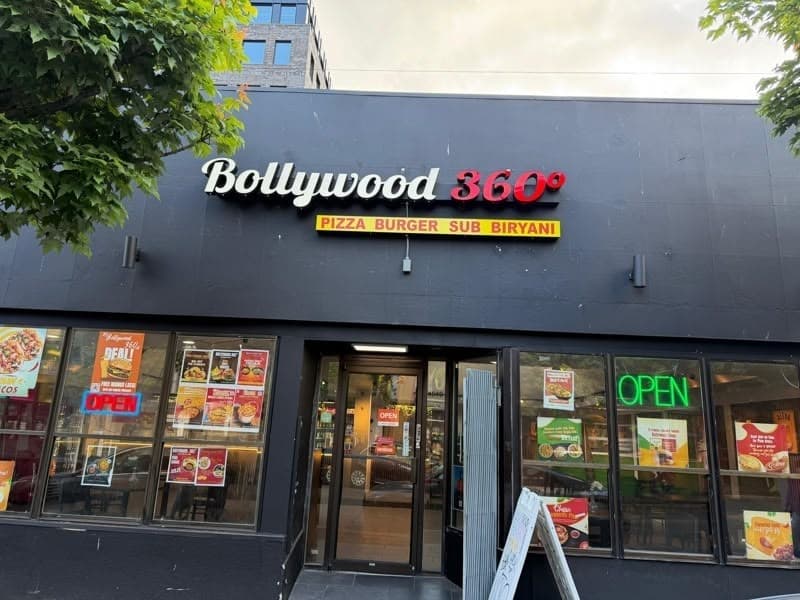
The University District is one of Seattle’s densest and most consistent restaurant corridors — anchored by the University of Washington, with a large South Asian student and resident population and year-round foot traffic. It’s also unforgiving. Turnover on The Ave is high, margins are thin, and rent plus labor absorb most of what a small operator brings in.
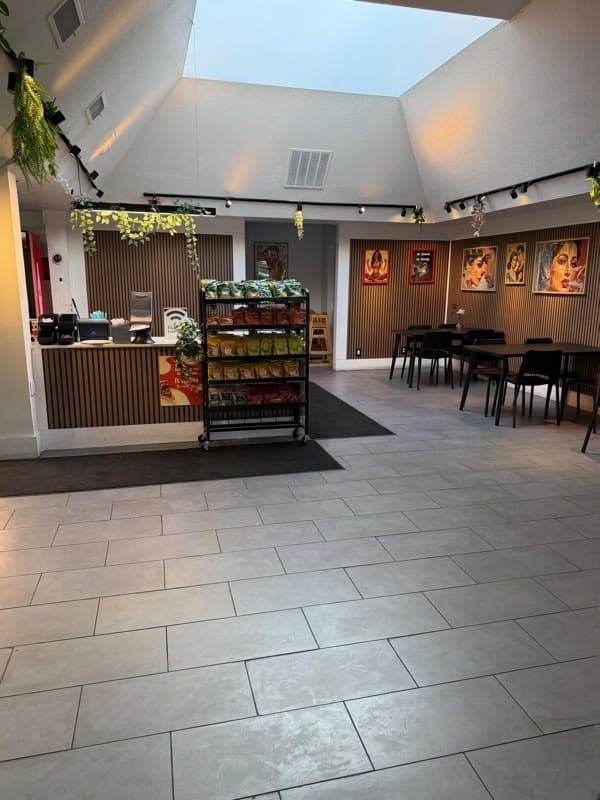
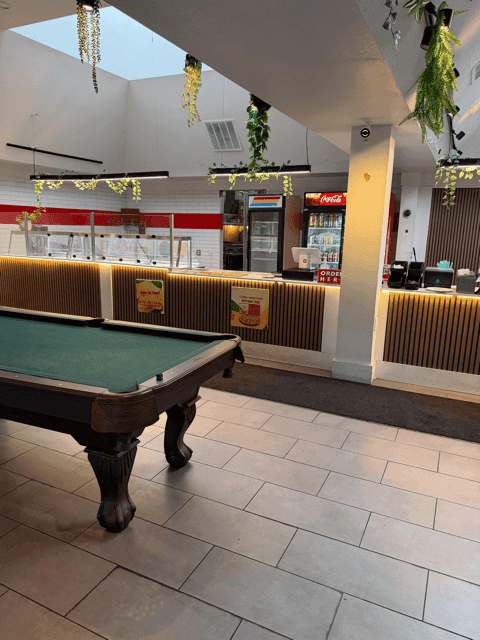
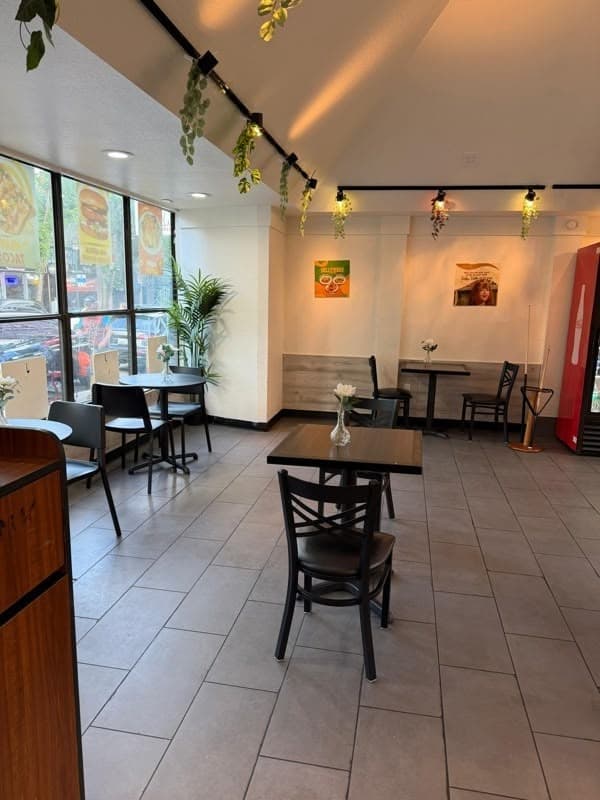
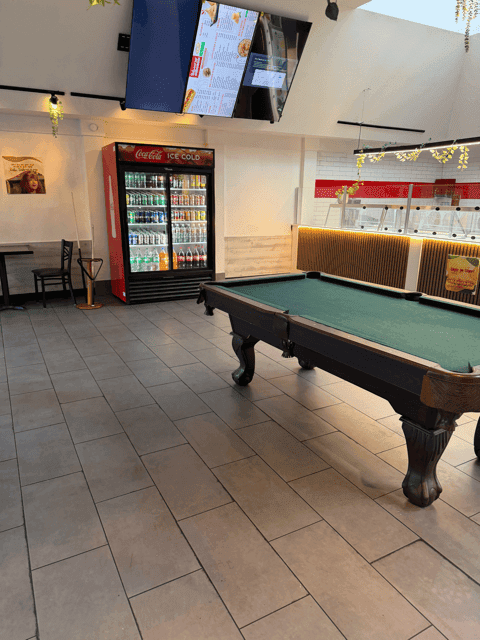
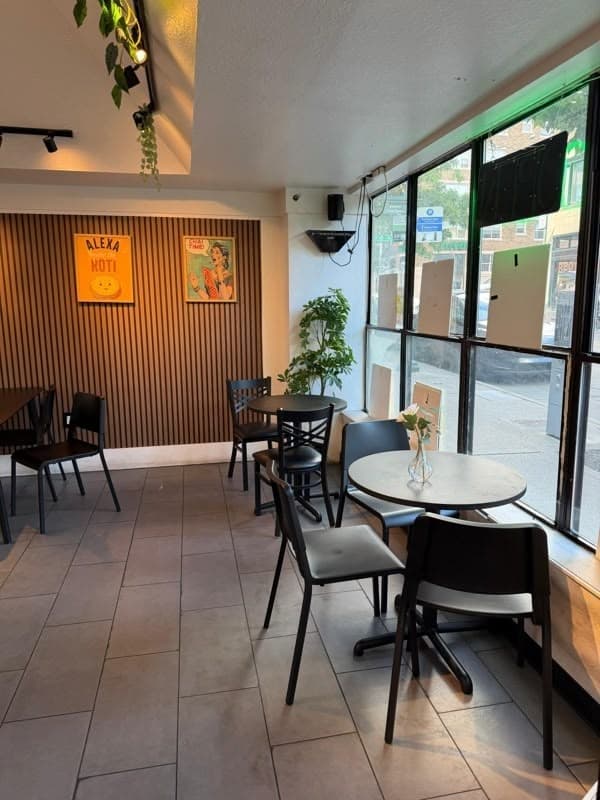
Bollywood 360 occupied roughly 2,860 square feet under a long-established lease with a term running to 2030 and a five-year extension option. The location was strong. The question was whether the business attached to it could be presented as an asset worth acquiring rather than a storefront worth vacating.
By the time we were engaged, the owners were finished. The business was underperforming and the plan was to close the doors, hand back the space, and walk away. That path pays nothing — a dark storefront, a lease surrendered years early, and a kitchen sold off piece by piece.
So the question was never how to market a thriving restaurant. It was what could still be recovered: 2,860 square feet on The Ave, a built-out kitchen, and a lease running to 2030 in a catchment a larger operator would pay to enter. Three weeks later it was sold.
The premises
What we did
Documented it honestly.
Before approaching anyone, the operation was documented properly — month-by-month revenue, payroll, utilities, and occupancy costs traced to source records rather than estimates. The numbers were not flattering, and they were not presented as though they were. Sophisticated buyers diligence hard: a weakness they uncover themselves kills a deal late, while a weakness handed to them becomes a term to negotiate.
Sold the location, not the P&L.
A buyer underwriting this on its own earnings alone would not have paid much for it. So the asset was presented as what it actually was — a fully built restaurant premises holding a long lease in one of Seattle’s densest food corridors, with a customer base already walking past the door. The earnings were the floor, not the story.
Targeted strategically, not broadly.
The natural buyer here was never an individual owner-operator. It was a group already running South Asian food retail at scale in the metro, with the infrastructure to absorb a location and the brand recognition to fill it. A broad listing would have drawn tire-kickers and lowball offers — or nothing at all, given what the P&L showed on its own.
Ran both sides of the table.
This transaction closed under dual agency — representing both seller and buyer, with the informed consent of both parties. The premises sit under a lease with an established landlord, a documented assignment history, personal guaranty requirements, and consent conditions. Structuring the transfer so landlord, seller, and buyer each cleared their requirements was as much a part of closing as the business terms.
Why Mayuri
Mayuri Foods (Redmond, WA) operates a family of South Asian grocery stores and restaurants across the Puget Sound region, with locations in Redmond, Bothell, Issaquah, and Seattle’s South Lake Union. They are among the region’s longtime leaders in specialty foods, and — unusually — they run both grocery and full restaurant operations under one roof.
That profile made the fit obvious once you looked at it the right way:
For a strategic buyer, the value isn’t just the business’s own earnings — it’s what the location becomes inside their existing system.
The takeaway
A struggling restaurant usually gets closed rather than sold, because the owner assumes the earnings are the only thing for sale. Often the location is worth more than the business ever was. Three things decide whether any of that value gets recovered:
Know what you are actually selling — the earnings, or the location.
Honest books, weaknesses included, handed over before they are found.
A short, correct buyer list — the operators for whom this location fills a specific gap.
Get those right and the conversation shifts from “what will someone pay for this space” to “what is this worth inside a larger platform.”
Part two: the rebuild
The story doesn’t end at closing. Mayuri will renovate and reopen the space under their own brand, and we’ll return to document what a strategic operator does with a location once they own it: the buildout, the repositioning, and the reopening on The Ave.
For sellers, that second chapter is the part worth watching. It’s the clearest evidence of why the right buyer pays more than the market — because they can see what the location becomes.
Working with us
If you’re an owner considering an exit — or a buyer looking for the right location in the Seattle metro — the process above is the process we run. We’ll tell you honestly what your business is worth, what it would take to improve that number, and who the realistic buyers actually are.
Bollywood 360 closed under dual agency — both seller and buyer were represented in the transaction, with the informed consent of both parties.
Harman Pannu · Seattle metro